
Residential · Derbyshire & the Peak District
RefurbishmentsFull Property RenovationManaged Under One Contract
Strip-out to finished house, structural work, services and finishes coordinated by one team: a tired or neglected property brought up to a standard you'd be happy to live in or sell, on a fixed price agreed up front.
Call John for a walk-through survey and a written, itemised quote before you commit to any renovation scope.
25+
Years building in Derbyshire
150+
Projects completed
10 yr
Structural guarantee
£10M
Fully insured
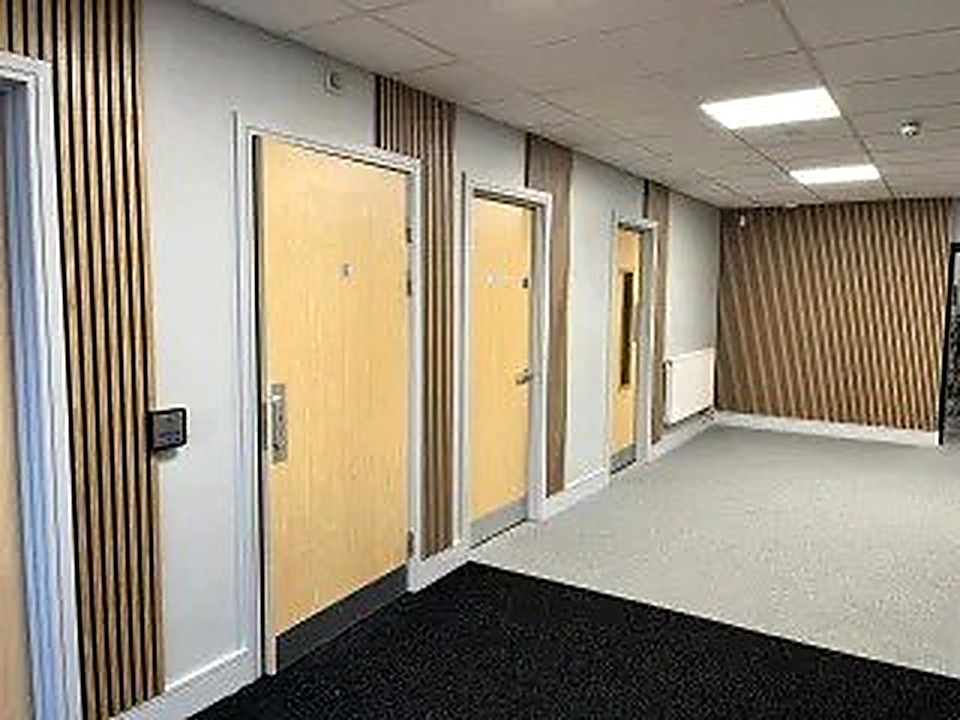

What a full property refurbishment involves
A refurbishment covers everything from a full strip-back-to-brick renovation of a period property to a whole-house update of kitchens, bathrooms, flooring, electrics and heating in a house that's structurally sound but dated throughout. It's distinct from a single-room renovation because multiple trades and systems are coordinated together, often including structural alterations, rewiring, replumbing and re-plastering across the whole house at once.
It suits buyers taking on a property that's been rented out for years, inherited a house that needs modernising, or bought a period property with old wiring, no insulation and a layout that doesn't suit modern living. It's also common ahead of selling, where a coordinated refurbishment adds more value than isolated cosmetic updates.
The right time to refurbish fully rather than room-by-room is when the electrics, plumbing or structure need attention anyway: doing a kitchen this year and a rewire in three years' means redoing finished work to get at cables and pipes. Coordinating it once, in the right sequence, is cheaper overall and causes one period of disruption instead of several.
Professional coordination matters because a full refurbishment touches structural openings, electrical and gas safety, damp and insulation, and multiple trades working in sequence in the same rooms. Get the sequence wrong, plastering before first-fix electrics, for instance, and finished work has to be cut back into, adding cost and delay.
We manage the full sequence under one contract, with directly employed bricklayers, joiners and plasterers working alongside NICEIC-registered electricians and Gas Safe registered engineers, so the trades that need to be in a room in a specific order actually are.
What the work includes
- Structural repairs, damp and timber treatment
- Full rewire, replumb and heating renewal
- Roofing, windows and external envelope works
- Plastering, joinery, kitchens, bathrooms and decoration
New to us? Start with Weir Construction Group, see our recent work or talk to John directly.
The cost of leaving it
What happens when a refurbishment isn't properly sequenced or specified
The most common and expensive mistake is starting cosmetic work, flooring, decoration, kitchen fitting, before structural, electrical and plumbing work is finished. Cables and pipes routinely need to run through walls and floors that have already been finished, meaning new plaster and flooring gets cut into and repaired, adding cost that a correctly sequenced job never incurs.
Skipping a proper damp and structural survey on an older property before starting is another recurring failure. Rising damp, timber rot or a cracked lintel discovered halfway through a refurbishment, after decoration has started, stops the project and adds unbudgeted structural repair cost at the worst possible point in the programme.
Using unregistered trades for electrical and gas work to save money on a whole-house rewire or boiler replacement is a genuine safety risk, and it also means the work can't be certified, which matters for insurance, for a future sale, and for building control sign-off where notifiable work is involved.
Mistakes we are asked to put right
- Fitting a new kitchen or bathroom before first-fix electrics and plumbing are finished
- Skipping a damp and structural survey on a period property before quoting
- Using unregistered trades for a rewire or boiler swap to cut cost
- Underestimating how much of the budget structural and services work will take before any cosmetic work starts
- Not agreeing a written, itemised scope before demolition and strip-out begin
Our process
How a refurbishments project runs
Step 1
Full survey and scope agreement
John walks the whole property, identifies structural, damp, electrical and plumbing issues alongside your cosmetic wishlist, and agrees a written scope before any quote is finalised.
Step 2
Design and approvals
Where structural alterations are involved, calculations and building regulations drawings are prepared, and building control notified ahead of any structural work.
Step 3
Strip-out and structural work
The property is stripped back to expose structure, walls, floors and services, structural alterations carried out, and any damp or timber issues remediated before anything is closed up.
Step 4
First-fix electrics, plumbing and heating
NICEIC-registered electricians and Gas Safe registered engineers run new wiring, pipework and heating systems throughout, inspected before walls are closed.
Step 5
Plastering, flooring and second fix
Walls are re-plastered, flooring laid, kitchens and bathrooms fitted, and second-fix electrical and plumbing fittings installed.
Step 6
Testing, decoration and sign-off
All electrical and gas installations are tested and certified, decoration completed, building control inspects any structural or notifiable work, and structural elements carry our transferable 10-year guarantee.
What you get
Why this work is worth doing properly
Faster through correct trade sequencing
Structural, electrical and plumbing work happens before finishes go in, avoiding the delay and cost of cutting back into completed decoration.
Structural and safety issues found early, not mid-project
A full survey at scoping stage catches damp, timber rot and structural problems before they derail a programme that's already underway.
A house rebuilt to last, not just redecorated
New wiring, plumbing and structural repairs are done to current standards throughout, rather than papering over old systems.
Fixed, itemised pricing agreed before strip-out
You know the full scope and cost before demolition starts, with no invoice above the agreed figure without your prior written agreement.
One contact managing every trade in sequence
John coordinates directly employed trades and registered specialists so the right people are in the right room at the right stage, without you managing the handover between them.
Guarantee and certification that support resale
Structural work carries a transferable 10-year guarantee, and electrical and gas work is certified, both of which matter to a buyer's surveyor and solicitor.
Detail & specification
Technical detail on structural, damp and services work
Older Derbyshire properties, stone terraces, Victorian villas and farmhouses, often have solid walls with no cavity, meaning damp management relies on breathable materials like lime plaster and lime render rather than modern cement-based products, which trap moisture and cause worse damp problems than they solve.
Structural alterations within a refurbishment, such as removing a chimney breast or opening up a wall between rooms, require a structural engineer's calculation for the replacement support and building control sign-off, exactly as they would in a standalone project: the fact that it's part of a wider refurbishment doesn't reduce the compliance requirement.
A full rewire follows the current wiring regulations, with a new consumer unit, RCD protection and testing and certification on completion. Similarly, any gas boiler replacement or new gas pipework is only carried out by a Gas Safe registered engineer, with a building notice submitted for notifiable gas work.
Sequencing across a whole-house refurbishment is planned so that wet trades, plastering, screeding, happen before dry trades, flooring, decoration, and so that services are first-fixed, inspected, then closed in only once confirmed correct, avoiding the rework that comes from working out of order.
This work is predominantly residential, though the same strip-out, services and structural sequencing applies to refurbishing small commercial units.
Materials & systems we work with
- Lime plaster and lime render for solid-wall period properties
- New consumer unit and RCD-protected circuits to current wiring regulations
- Gas Safe certified boiler and pipework installation
- Damp-proof membrane or breathable damp treatment as appropriate to wall type
- Structural steels and lintels to engineer's specification for opened-up rooms
- Insulation upgrades to floors, walls and roof space where accessible
- New kitchen and bathroom fit-out to current specification
- Flooring, skirting and decoration throughout
Whole-house modernisation
Updating a structurally sound but dated house throughout: kitchen, bathrooms, flooring, decoration, electrics and heating, without major structural change.
Period property renovation
Full strip-back renovation of a stone or Victorian property, addressing damp, structure and services while retaining original character features.
Buy-to-let or pre-sale refurbishment
A cost-controlled renovation focused on the updates that add the most resale or rental value within a defined budget.
Structural reconfiguration refurbishment
Combines whole-house modernisation with knocking through walls or removing chimney breasts to change the internal layout.
Standards you can check
Accreditations behind every contract
FMB Accredited
Federation of Master Builders membership: independently vetted for quality, financial stability and customer satisfaction.
Derbyshire Trusted Trader
Approved by Derbyshire County Council's Trading Standards team after background checks and customer reference verification.
£10M Insured
Full public liability, employer's liability and professional indemnity cover. Certificates available on request.
NICEIC & Gas Safe
Electrical installations certified by NICEIC-registered electricians. Gas work completed by Gas Safe registered engineers.
Questions clients ask
Refurbishments: frequently asked questions
How much does a full house refurbishment cost?
Cost depends heavily on the property's existing condition, size and the scope you want, so we survey the whole house before quoting. You'll get a fixed, itemised written quote with no additions without your prior written agreement.
How long does a full refurbishment take?
A whole-house refurbishment typically runs from several weeks to a few months depending on scope and whether structural alterations are involved. John will give you a realistic written programme after survey.
Can I live in the house during the refurbishment?
It depends on the scope: a full strip-out renovation is usually easier to manage if the property is empty, while a phased whole-house update can sometimes be done with the household still living there. We'll advise honestly based on your specific scope.
Do I need planning permission or building control approval?
Cosmetic updates generally don't need planning permission, but structural alterations, rewiring and gas work fall under building regulations and are managed as part of the project.
What guarantee applies to a refurbishment?
Structural work carries an underwritten, transferable 10-year guarantee, and electrical and gas work is certified by our NICEIC-registered and Gas Safe registered specialists.
Will you deal with damp or structural issues found once work starts?
A full survey before quoting is designed to catch these issues upfront rather than mid-project, but where something is only visible once walls are opened up, we'll price it and confirm in writing before proceeding.
How long will the refurbished house last before needing further major work?
A refurbishment that addresses structure, damp, electrics and plumbing properly should give decades of service with only routine maintenance, rather than needing further intervention within a few years.
Do you take on refurbishments outside Chesterfield?
Yes, across Derbyshire, the Peak District and South Sheffield, including Matlock, Bakewell, Buxton, Dronfield, Belper, Ashbourne, Sheffield and Rotherham.
Related services
Property Extensions
New Build Homes
Loft Conversions
Garage Conversions
Kitchen Renovations
Bathroom Renovations
Or browse every service we offer and the areas we cover.

Next step
Get a full survey and a written scope of work
Call John on 07891 214075 to arrange a walk-through of the property, and you'll receive a written, itemised quote covering the full agreed scope before any work starts. Office hours are Monday to Friday, 8am to 5pm, with calls typically returned the same working day.